is a medical intervention used to help individuals with kidney failure or severe kidney dysfunction by removing waste, excess fluids, and toxins from the blood.
Some of the Dialysis intervention procedures performed at G Plus Heart Hospitals include
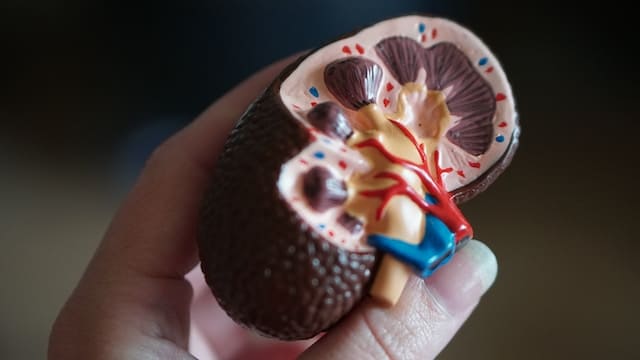
are medical procedures that involve the liver, gallbladder, and biliary system. These interventions are performed to diagnose and treat various hepatobiliary conditions, including liver diseases, gallstones, bile duct obstructions, and liver cancer.
Some hepatobiliary interventions performed at G Plus Heart Hospital include:
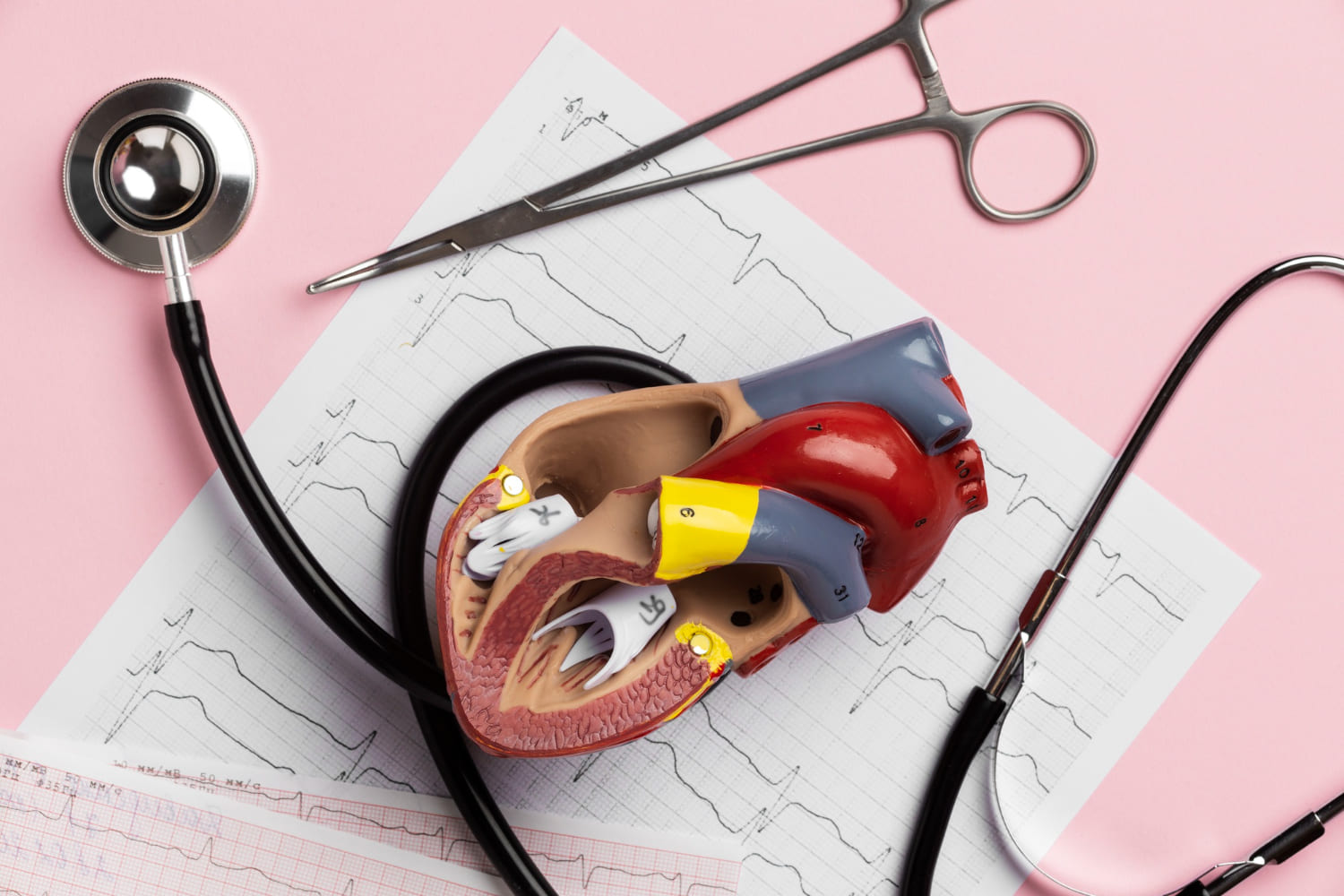
refer to medical procedures or treatments that are performed to address various issues related to the gastrointestinal system. The GI system is responsible for the digestion and absorption of food, as well as the elimination of waste from the body. At G Plus Heart Hospital some GI intervention procedures performed include:

refer to the various medical treatments and procedures used to manage and treat cancer. Oncology interventions at G Plus Heart Hospital aim to target and control cancerous cells, either by removing them, killing them, or stopping their growth.
Oncology interventions performed at G Plus Heart Hospital include:
also known as venous procedures or venous therapies refer to a range of medical procedures that are performed to diagnose and treat conditions affecting the veins, particularly the veins in the lower extremities.
Venous Interventions performed at G Plus Heart Hospital include:

also known as endovascular or interventional procedures, are medical procedures performed within blood vessels using minimally invasive techniques.
Arterial Interventions performed at G Plus Heart Hospital include:
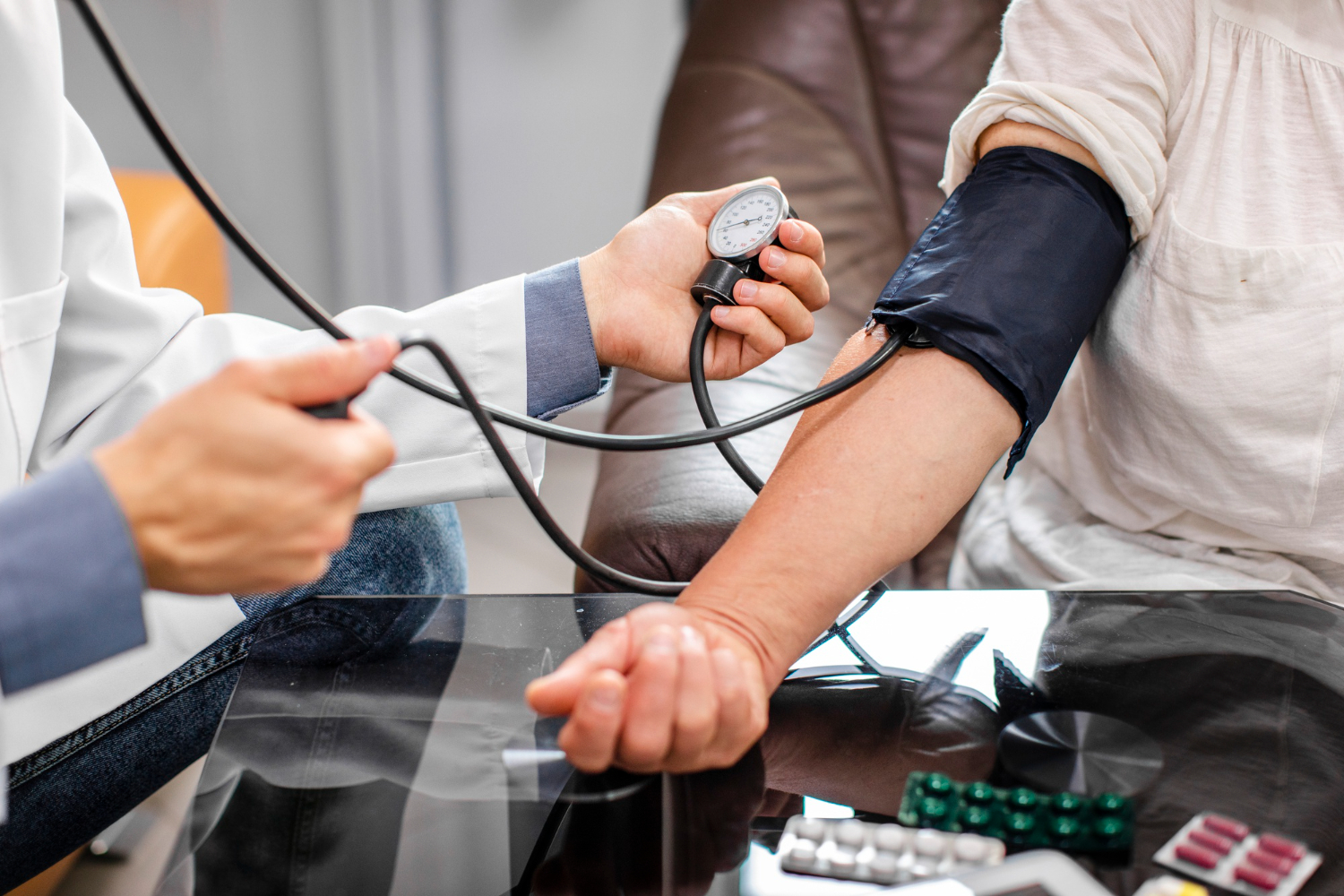
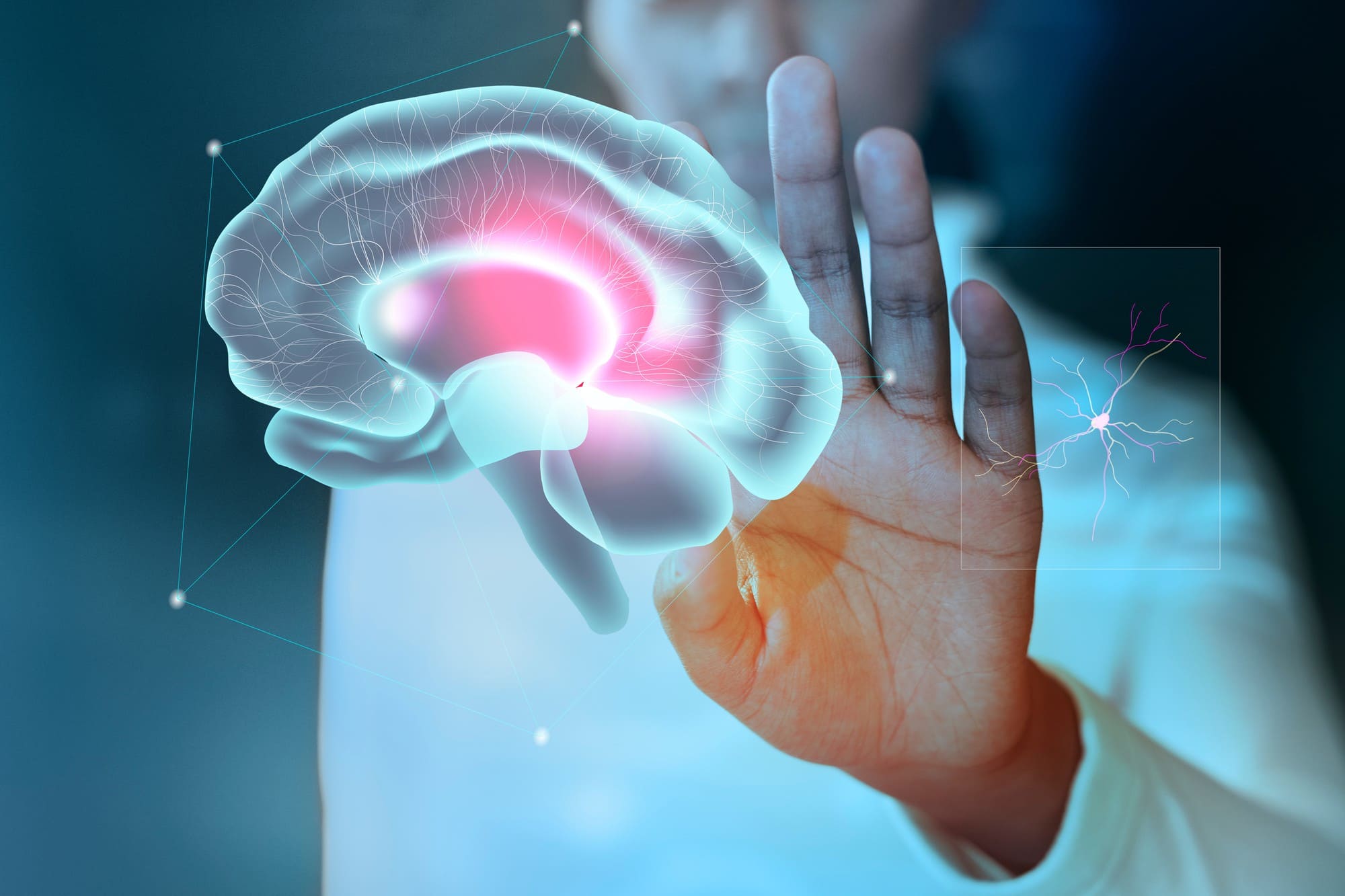
also known as neuro-interventional procedures or endovascular neurosurgery, refer to a range of minimally invasive techniques used to diagnose and treat conditions affecting the blood vessels and structures of the central nervous system (brain and spinal cord).
The primary goal of neuro interventions is to manage various vascular and non-vascular neurologic disorders without the need for open surgery. Instead, these procedures are conducted through small incisions in blood vessels, often using catheters, wires, and imaging guidance (X-rays, fluoroscopy, or angiography) to navigate to the affected area and perform the necessary interventions.
Neuro Interventions performed at G Plus Heart Hospital include:
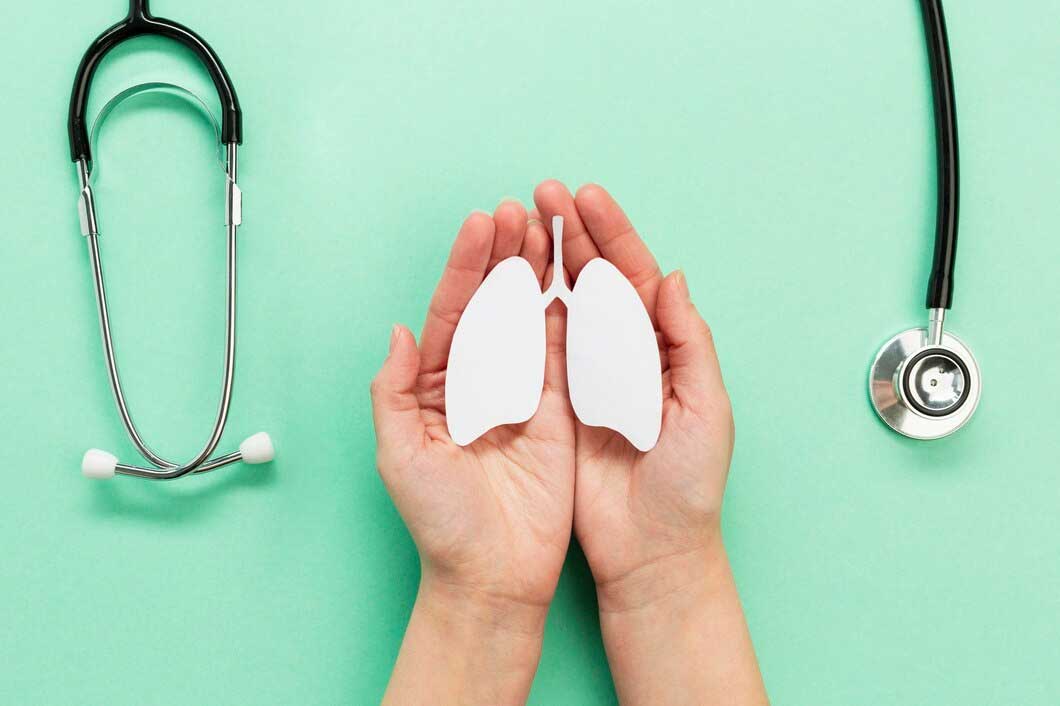
refer to medical procedures or treatments aimed at diagnosing, managing, or treating conditions that affect the lungs and respiratory system.
Pulmonary Interventions performed at G Plus Heart Hospital include:
refer to medical procedures and treatments that are performed on the aorta, the largest artery in the human body. The aorta is responsible for carrying oxygenated blood from the heart to the rest of the body. Aortic interventions are necessary when there are structural abnormalities, diseases, or conditions affecting the aorta that require medical attention.
Aortic Interventions performed at G Plus Heart Hospital include:
refer to medical procedures and treatments that are focused on the organs and structures of the urinary and reproductive systems. These interventions aim to diagnose, manage, and treat various conditions and diseases affecting the kidneys, ureters, bladder, urethra, prostate, testicles, and related structures.
Genitourinary Interventions performed at G Plus Heart Hospital include:
refer to medical procedures or treatments aimed at diagnosing, managing, or treating conditions related to the lymphatic system. The lymphatic system is a crucial part of the body's immune system and plays a significant role in maintaining fluid balance, filtering waste, and transporting immune cells throughout the body.
Lymphatic Interventions performed at G Plus Heart Hospital include:

is the medical practice of alleviating or controlling pain in patients who are experiencing acute or chronic discomfort. Pain can arise from various sources, such as injuries, medical conditions, surgeries, or other underlying health issues.
At G Plus Heart Hospital we aim to improve the patient's quality of life, enhance their ability to function, and promote overall well-being.
There are different approaches to pain management, and the choice of treatment depends on the type, intensity, and duration of pain, as well as the patient's medical history and individual preferences.
Some common pain management strategies followed by G Plus Heart Hospital include:

Don’t hesitate and make an appointment
Make An Appointment
G Plus Heart Hospital has brought with vision to provide world-class cardiac care and other superspeciality care to its patients.
Sarvoday Classic, Opp Radha Nagar, Beside Cambria International School, Khadakpada, Kalyan West
gplushhcare@gmail.com 9152607000 / 9152608000 / 0251 2231422